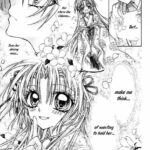
You’re not a true shoujo manga veteran fan if you don’t know who Arina Tanemura is. Either way, you’ve probably seen her manga artwork before. Her characters have the characteristic huge anime eyes, flowy long hair, and a liberal use of sparkle screen tones. As someone who has read most of Tanemura’s works, I felt qualified enough to do a brief analysis of her art throughout time. So here we go!
As a side note: Her work has a special place in my heart because I distinctively remember going to the public library and heading straight to the manga section just to read her works. There, I was introduced to Gentlemen’s Alliance Cross and Sakura Hime, which grew my love for enemies to yearning lovers. When I was about ten years old, my dad showed me the Full Moon o Sagashite anime in Korean dub. Even to this day I sing the songs from the anime at karaoke. So Tanemura’s works are definitely a huge part of my childhood!
1996-2001
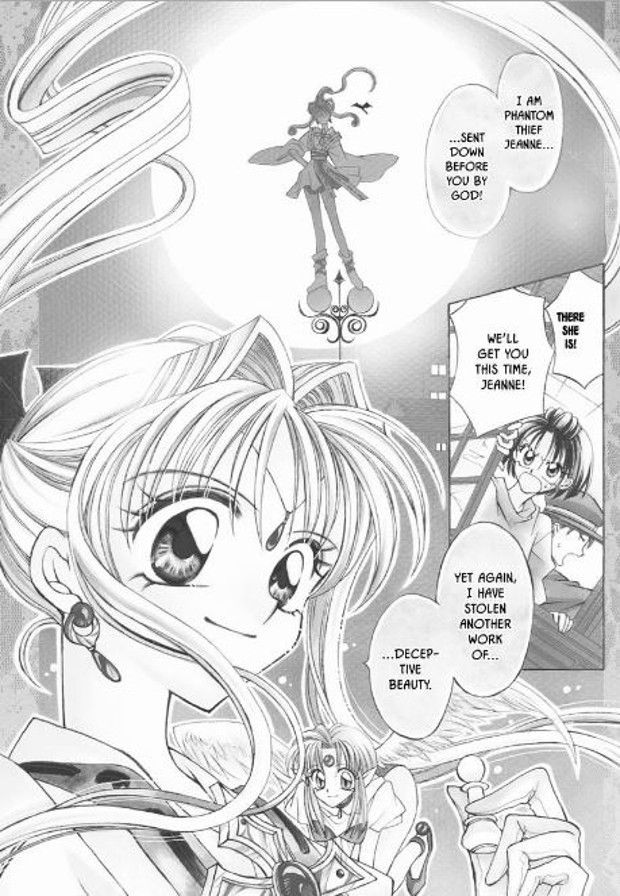
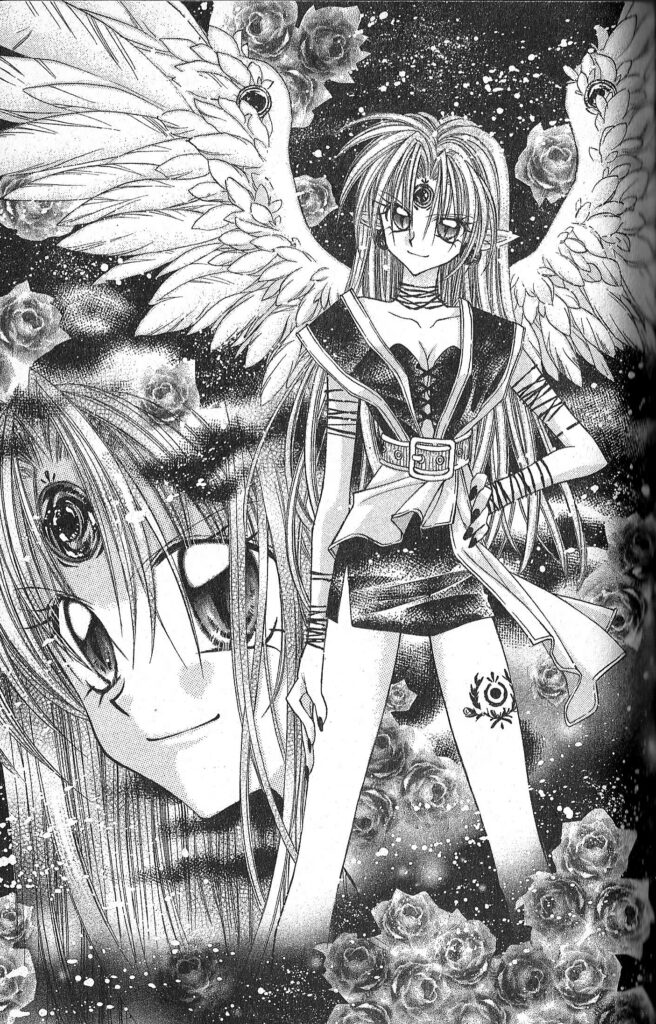
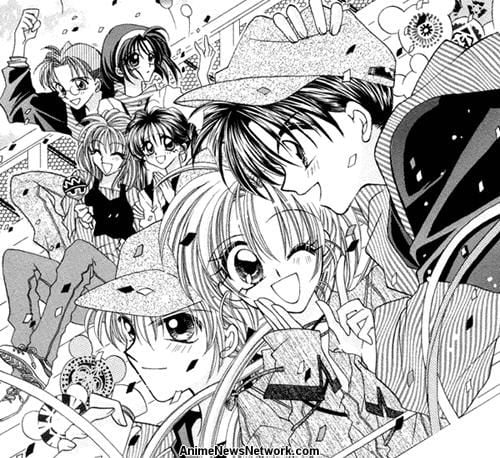
This period’s most notable work was Phantom Thief Jeanne which ended up being produced into an anime. Here, Tanemura used bolder and slightly thicker line-art. Body and facial proportions were slightly more exaggerated. The characters had extra long skinny legs and super short torsos and the eyes were extra big. I see a lot of similarities to her artwork at this time to that of Inuyasha and Cardcaptor Sakura in terms of exaggerated-ness. At this early stage, Tanemura’s art showed her special ability in creating expressive character art. She also showcased her skillful compositions – which you can clearly see in the first two images above.
2002-2008
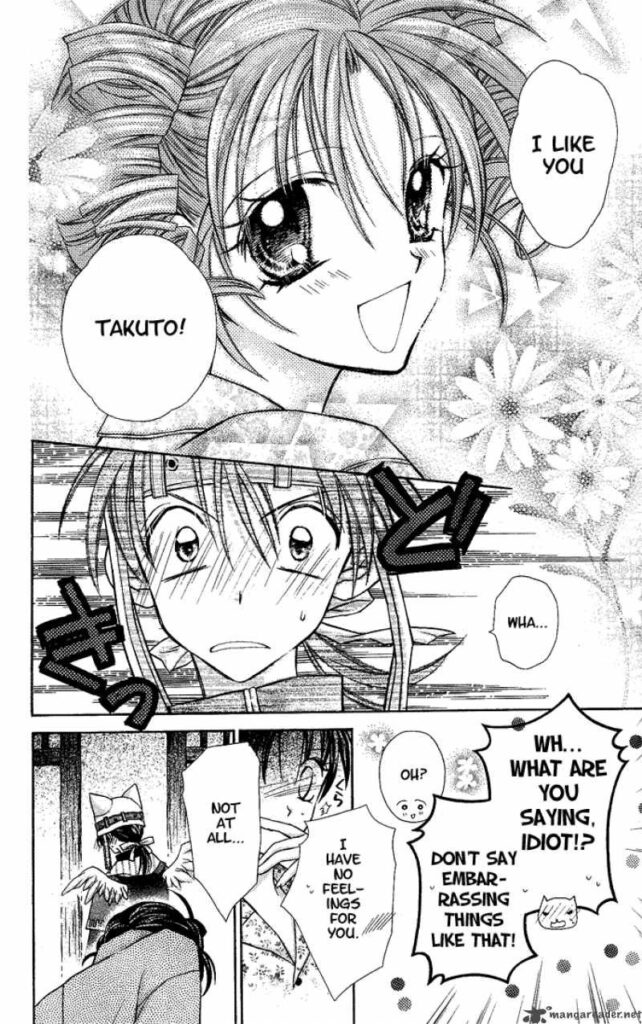
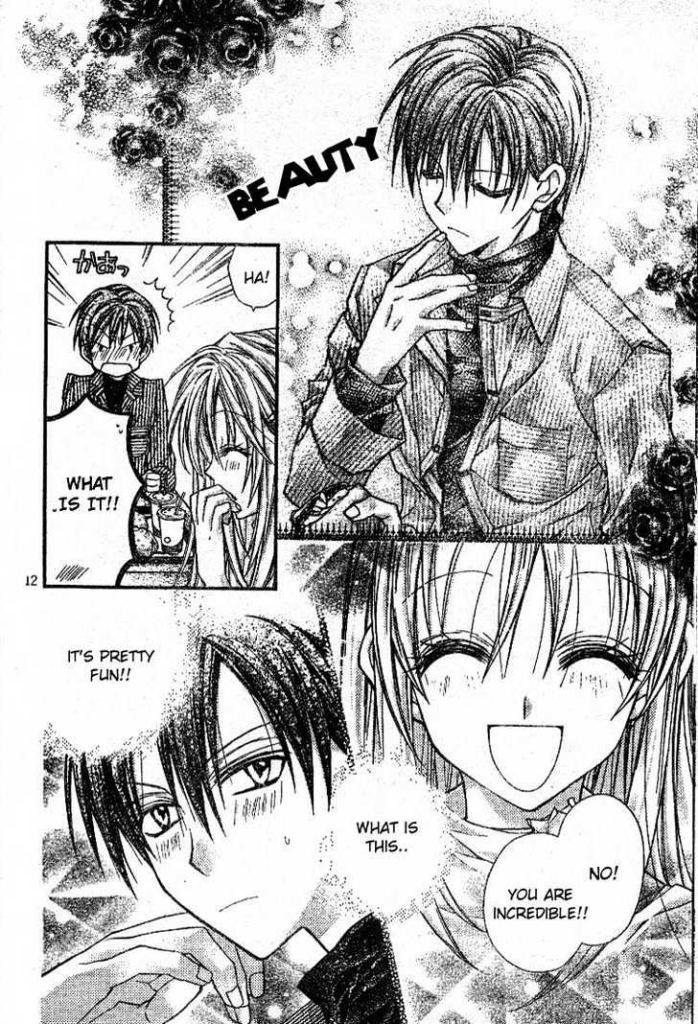
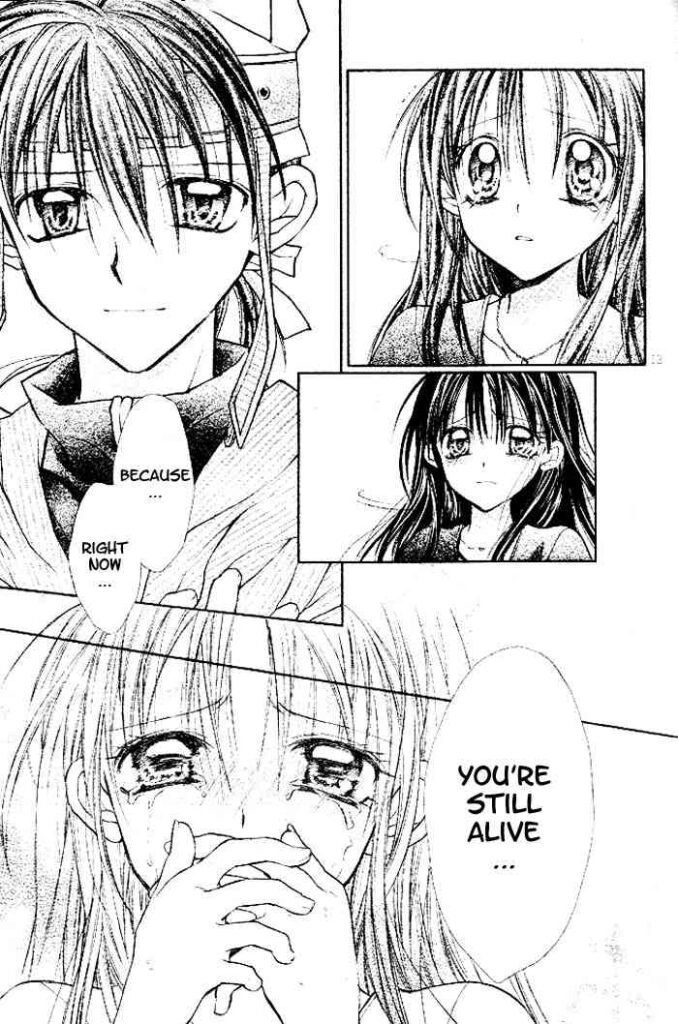
These years were best known for the release of Full Moon o Sagashite and Gentlemen’s Alliance Cross.I think this time period was when Tanemura’s signature style blossomed. She utilized screen-tones to its full ability to convey certain emotions. The effects that she used, whether it’s a sparkle screen tone or flower screen tone, made each panel cinematic – as if it’s a frame from an anime. She used more variation of linewidth in her line-art. Her characters were already expressive but during this era she took it a step further with her nuanced blushes and eyebrow lines.
2008-2012
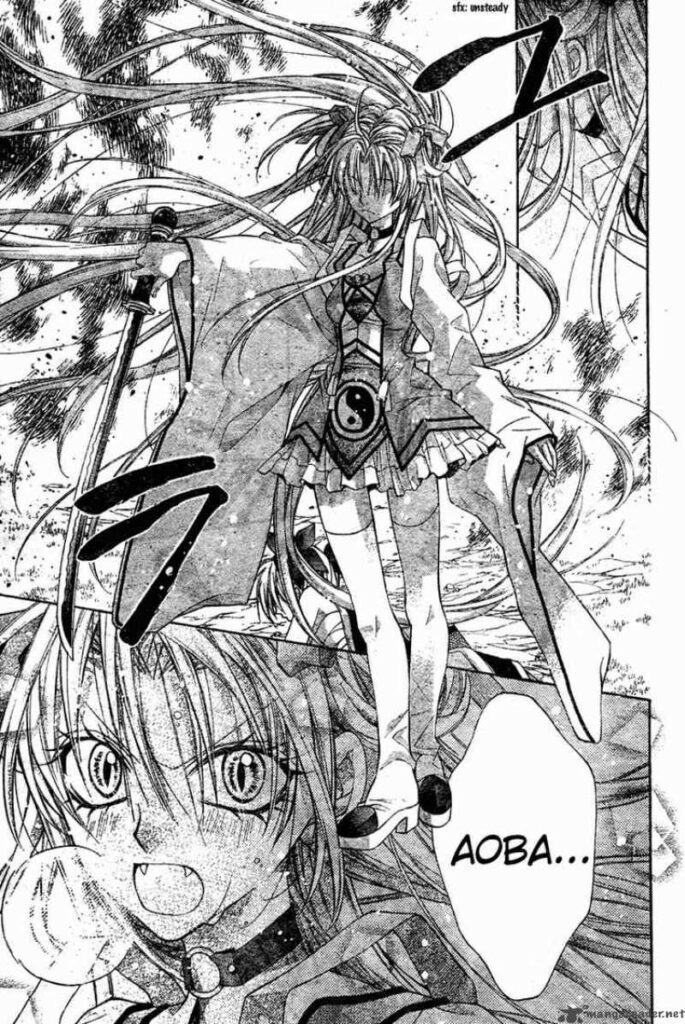
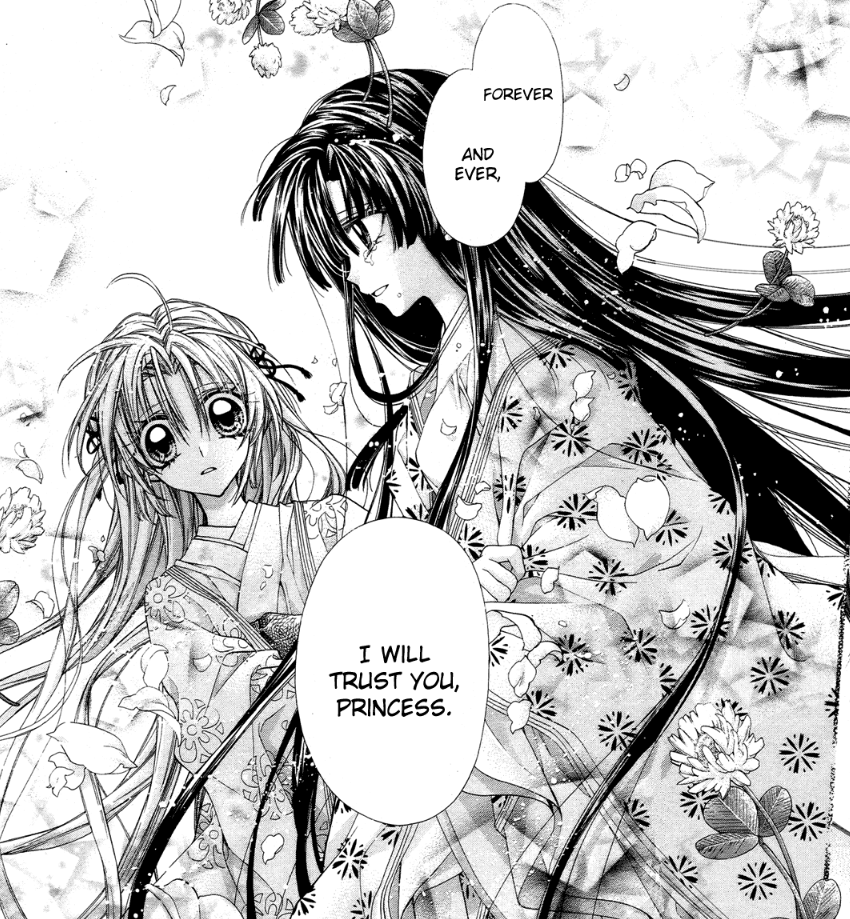
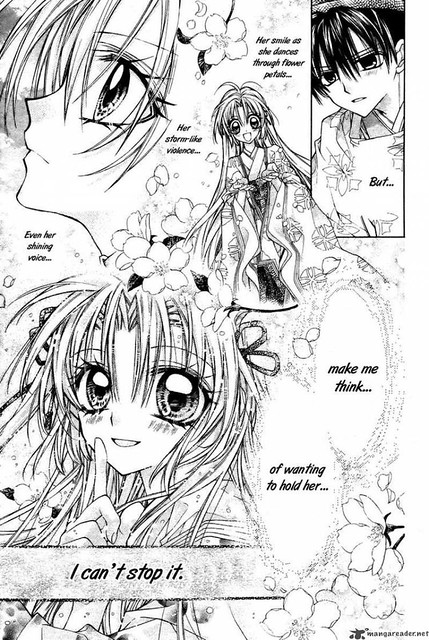
This may very much be MY OWN personal opinion, but Sakura Hime deserves it’s own separate appreciation. This manga ran for a total of 12 volumes making it the longest series that Tanemura has every written/illustrated for. Personally, I think this was the peak of Tanemura’s artistry in the shoujo genre. You don’t need to take my word for it, just look at the images above. Each page is delicately done and simply gorgeous. Tanemura is able to show a breadth of emotional complexity through every aspect of her artwork. Her artwork in this manga conveys a dream-like fairytale – something that many shoujo manga readers look for.
2013-Present
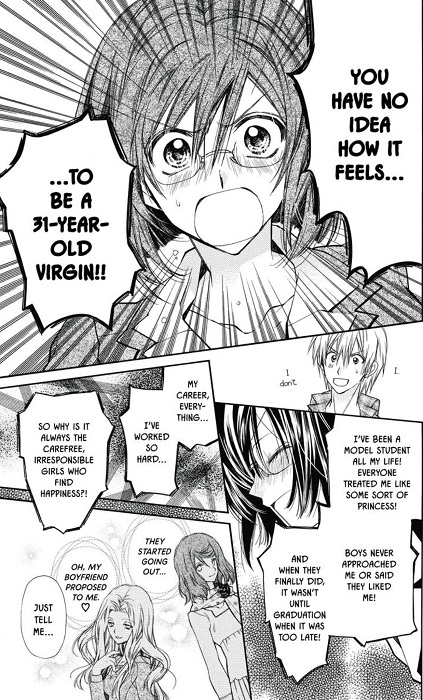
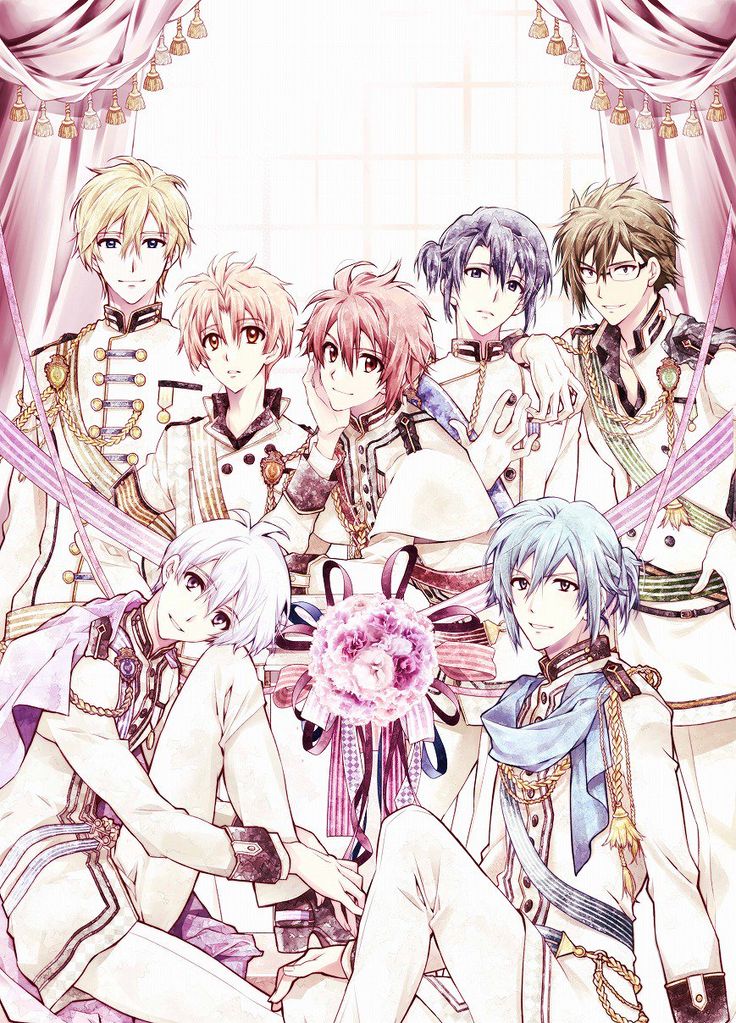
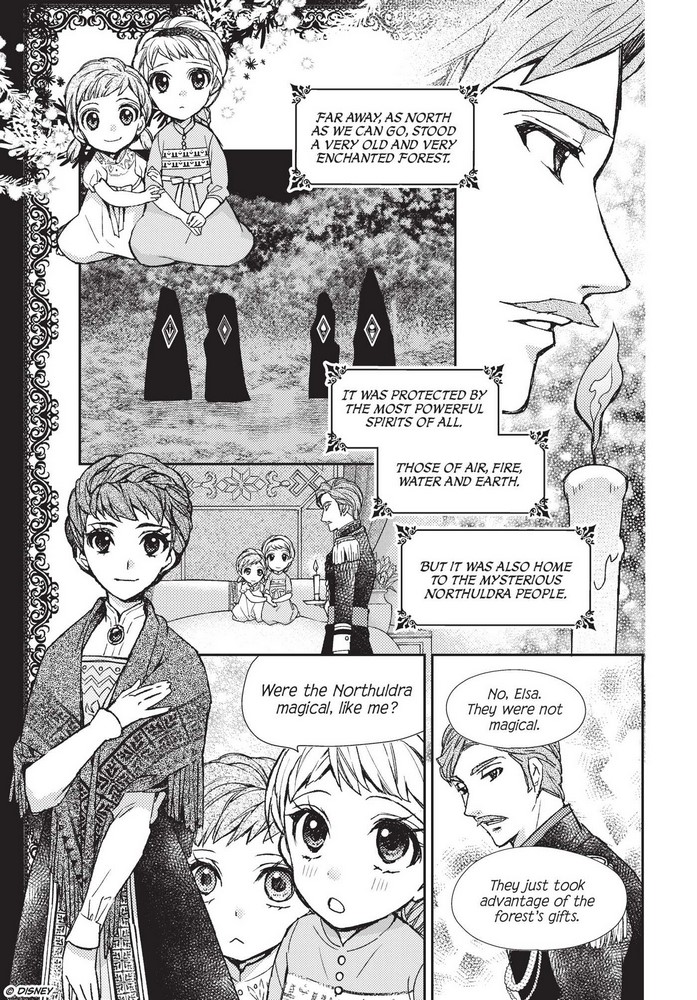
I’m not so familiar to this time period since Sakura Hime was the latest manga that I read by Tanemura. According to the internet, it looks like she is not so much focusing on releasing her own works now. Though she did release Idol Dreams, her first josei manga, geared towards her fans that grew up with her works and are now adults (like me). Admittedly, the artwork in this manga doesn’t have the dreamlike quality as does in her previous shoujo works – she utilizes sparkle screen-tones more conservatively. I think this is a nod to the josei genre in general since it’s demographic has mostly grown up from the youthful feeling of butterflies and sparkles.
Other than Idol Dreams, she contributed to the artwork and character designs for Idolish7 – a rhythm game about a fictional male idol group that was also adapted to a manga and anime. She also illustrated the manga adaption of Frozen II – which I personally wished had a bit more Sakura Hime-esque fantasy flair.
Though I’m not a huge fan of Tanemura’s current works, I think she had a natural transition from being the shoujo manga queen, to now being an established artist that can take on lucrative projects at her own pace. Her works will still remain iconic for being THE shoujo manga of the 2000s.
Like my article about manga art appreciation? Check out my article about the art of Oyomegatari!